(CS-141) Pure Hypochlorous Acid (pHA) Preserved Wound Cleanser (HAPWOC*) in Plastic Surgical Operative Wound Reconstruction; A Case Series
Friday, April 28, 2023
7:15 PM - 8:30 PM East Coast USA Time
Abigail Chaffin, MD, FACS, CWSP, FAPWCA; Leely Rezvani, MS
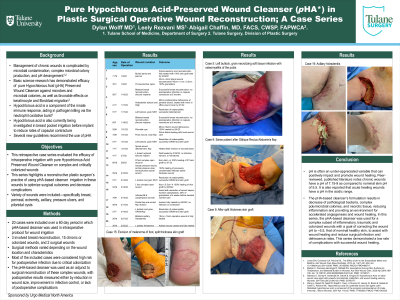
Introduction: Management of chronic wounds is complicated by microbial contamination, biofilm production, and pH derangement. Basic science research has demonstrated efficacy of pure hypochlorous acid (pHA) preserved wound cleanser (HAPWOC) against microbes and biofilm, as well as favorable effects on keratinocyte and fibroblast migration. Hypochlorous acid is a component of the innate immune response, aiding in pathogen killing via the neutrophil oxidative burst. This case series evaluated the efficacy of intraoperative irrigation with hypochlorous acid preserved wound cleanser on complex and critically colonized wounds.
Methods: 20 cases were included over a 60 day period in which pHA based HAPWOC was used in intraoperative protocol for wound irrigation. 3 involved breast reconstruction, 15 chronic or colonized wounds, and 2 surgical wounds. Most cases included were considered high risk for postoperative infection due to critical colonization.
Results: In this series, HAPWOC was used for a subset of complex inflammatory, traumatic, and colonized wounds with a goal of correcting pH to 5.5, that of normal healthy skin. We present 20 complex surgical patients with high risk wounds treated with a variety of surgical reconstruction techniques including skin grafting, primary closure, flaps, and implants. Overall, this series demonstrated a low rate of complications with successful wound healing.
Discussion: pH is an often under appreciated variable that can positively impact and promote wound healing. The pHA based cleaner's formulation results in decreased pathologic bacteria, biofilm, and necrotic tissue, reducing inflammation and providing an environment for accelerated angiogenesis and wound healing. Hypochlorous acid preserved wound cleanser should be considered as a valuable adjunct for the surgical management of complex inflamed, traumatic, or chronically colonized wounds.

.png)